


Subtotal: ₺111,111.00
14
Haz
Retained Earnings: Calculation, Formula & Examples Bench Accounting
Retained earnings is that part of current year’s profit which isnot distributed to share holders of company, so as it is a part ofprofit , it is shown under capital portion of liability side ofbalance sheet. Before you can include the net income in your statement of retained earnings, you need to prepare an income statement. Retained earnings, on the other hand, represent the accumulated net income over multiple accounting periods that have not been paid out as dividends. It’s important to review whether the owner has drawn a salary from the business.
Dividend payout ratio
If you’re trying to streamline your business, manually logging entries into ledgers or using an Excel spreadsheet is only going to slow you down. Calculating https://oleoretrato.com/bookkeeping/best-bookkeepers-in-san-francisco-ca-by-bench/ retained earnings is a pretty straightforward process. A business borrower may be subject to loan covenants based on these ratios. Unless a lender waives a ratio-based covenant violation, it can result in penalties, higher interest rates or even default.
Is Revenue More Important than Retained Earnings?
Thus, a stock split does not appear as a reclassification in the retained-earnings reconciliation. When a company declares a cash dividend, retained earnings is reduced (debit) and a liability (dividends payable) is recognized (credit). Treasury stock is a contra-equity account representing a corporation’s own shares that it has repurchased and not retired.
What is the journal entry to close revenue accounts?

Analysts answering “does treasury stock go on the balance sheet” also consider how buybacks distort per‑share metrics and may adjust for pro‑forma share counts when comparing performance across periods. You can find total earnings, which is the same as net income, and the number of outstanding shares on a company’s income statement. These programs are designed to assist small businesses with creating financial statements, including retained earnings. When a company pays dividends to its shareholders, it reduces its retained earnings by the amount of dividends paid. The statement of retained earnings provides a succinct reporting of these changes in retained earnings from one period to the next. In essence, the statement is nothing more than a reconciliation or “bird’s-eye view” of the bridge between the retained earnings amounts appearing on two successive balance sheets.
What happens if I don’t close revenue accounts?
Prolonged periods of declining sales, increased expenses, or unsuccessful business ventures can lead to negative retained earnings. Investors pay close attention to retained earnings, since the account shows how much money is available to be reinvested back in the company and how much is available to pay dividends to shareholders. Retained earnings may also be published as a separate financial statement and, although not typically, can be listed on the income statement.
How to Start a Consulting Business: A Step-by-Step Guide
One way to determine retained earnings is to add net income to the retained earnings from the prior term, or to deduct net losses from the retained earnings from the previous term. Then, subtract any net dividends that were distributed to shareholders. Any changes or movements with net income will directly impact the RE balance. Factors such as an increase or decrease in net income and incurrence of net loss will pave the way to either business profitability or deficit.
- Retained earnings are the profits or net income that a company chooses to keep rather than distribute it to the shareholders.
- The net cash flows from investing activities increased by $2.1 (billion).
- When the Retained Earnings account has a debit balance, a deficit exists.
- Retained earnings, listed under shareholders’ equity, represent the cumulative net income that a company has retained over time, after accounting for dividend distributions.
- Retained earnings are like a running tally of how much profit your company has managed to hold onto since it was founded.
- If you examine very many sets of financial statements, you will soon discover that many companies provide an expanded statement of stockholders’ equity in lieu of the required statement of retained earnings.
- When a company declares a cash dividend, retained earnings is reduced (debit) and a liability (dividends payable) is recognized (credit).
- This is because the interest payment would have been a negative factor.
- A well-managed balance of retained earnings can indicate financial stability, signaling to stakeholders the company’s prudent approach toward profit reinvestment and dividend allocation.
- Income is the amount of revenue left over after expenses have been paid.
- Because common stock is a contributed-capital account, it is shown on the balance sheet and in the statement of changes in equity, rather than as a primary line on the standalone statement of retained earnings.
- Profits generally refer to the money a company earns after subtracting all costs and expenses from its total revenues.
On the other hand, negative retained earnings or a declining trend in retained earnings could raise concerns about the company’s ability to sustain dividend payments and maintain investor confidence. By retaining a portion of its profits, a company can bolster its financial resilience and pursue strategic initiatives, thereby enhancing its long-term competitiveness in how is sales tax calculated the market. Learn how retained earnings connect the income statement and balance sheet in finance.
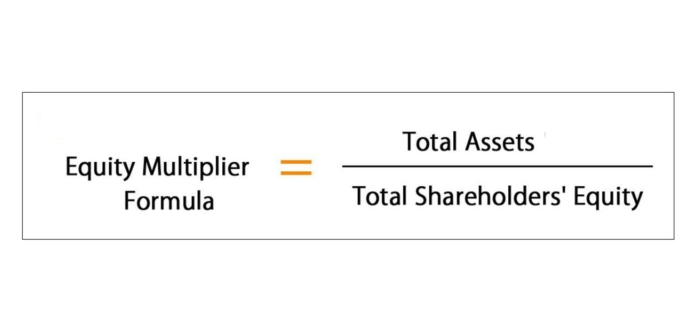
- Earnings per Share (EPS) is a metric that calculates the profitability of a company or the value of a stock per share.
- In consolidated statements, shares owned by the consolidated group are treated like treasury shares and deducted from consolidated equity.
- Companies that are profitable are able to create value efficiently because they are able to use their retained earnings to fund initiatives.
- For example, non-cash expenses like D&A and changes in working capital line item to arrive at cash flow from operations (CFO).
- My Accounting Course is a world-class educational resource developed by experts to simplify accounting, finance, & investment analysis topics, so students and professionals can learn and propel their careers.
Retained earnings not only serve as a testament to a company’s historical profitability but also offer valuable insights into its dividend policy, internal financing capabilities, and long-term sustainability. They are a barometer of a company’s financial health, providing a foundation for informed decision-making and strategic analysis. Debit retained earnings the Income Summary account and credit Retained Earnings to transfer the net income (or loss) to the retained earnings account. On the balance sheet, retained earnings appear in the equity section, separate from share capital. This distinction highlights how much profit has been reinvested versus initially invested by shareholders. Worth to notice that Retained Earnings are presented under the Equity part on the Balance Sheet, since this amount belongs to the shareholders.